
Technology
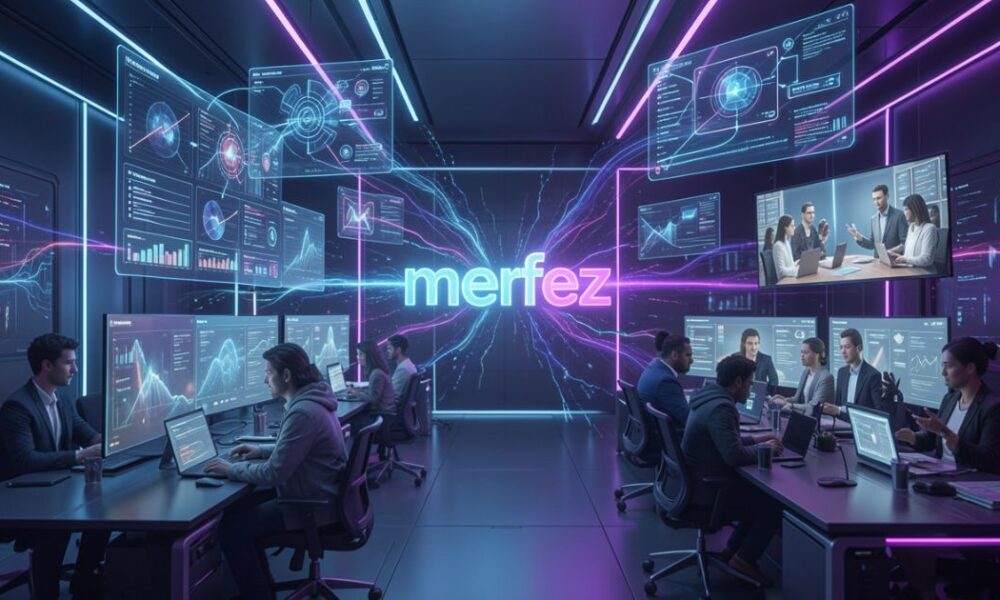
merfez: How It’s Transforming the Digital Ecosystem in 2026
In the rapidly shifting digital landscape of 2026, merfez has established itself as a premier solution for high-level efficiency and seamless data management. This innovative platform integrates advanced smart automation to reduce manual labor, allowing professionals to focus on strategic growth rather than administrative tasks.
By prioritizing a user-centric design, the ecosystem ensures that even complex workflows remain intuitive and accessible for global teams. Security is a core pillar, utilizing end-to-end encryption to protect sensitive information from emerging cyber threats. As businesses transition toward a unified workspace, adopting this versatile tool becomes essential for maintaining a competitive edge in an increasingly hyper-connected and demanding global market.
The Architecture of Digital Fluidity
The global market is moving away from static software toward “Fluid Systems.” In previous years, data was often trapped in isolated folders, but in 2026, merfez changed this logic entirely. Its architecture is built on “Semantic Intelligence.” This means that when you input a task, the system does not just save the text; it understands the context and automatically links relevant files, previous communications, and necessary contacts.
1. Unified Interface Design
“App fatigue” is one of the greatest challenges of the modern era. Statistics show that the average employee switches between more than ten different applications daily. This platform solves the problem through a “Zero-Switching” interface. Your project management, team chat, and central database all exist on a single dashboard. This layout ensures that your mental focus remains unbroken throughout the workday.
2. Cross-Platform Synchronicity
Today’s digital nomads work from laptops, tablets, and smartphones interchangeably. The cloud backbone of this platform is so fast that data synchronization happens in real-time. If you leave a document half-finished in the office, you can pick up exactly where you left off on your mobile device during your commute without any lag or version conflicts.
Deep Dive: Technical Features of 2026
When we discuss merfez, we are not just talking about a tool; we are talking about an AI-driven powerhouse. Several features included in the 2026 updates were previously considered impossible in the SaaS industry.
- Predictive Workflow Engine: This system analyzes your historical work patterns. If you typically send a client report every Monday morning, the system gathers the data, generates charts, and prepares a draft by Sunday evening.
- Blockchain Ledger for Data Integrity: To protect sensitive documents, the platform utilizes a private blockchain. This ensures that no historical data or signatures can be altered without explicit, logged permission.
- Universal API Connector: The platform can connect with over 5,000 third-party applications. This makes it the most versatile ecosystem in the world, capable of acting as a “central brain” for your entire tech stack.
Industry-Specific Use Cases
Every industry has unique requirements. Because of this, the platform offers customized modules tailored to specific sectors.
For Healthcare Providers
In healthcare, privacy and speed are the top priorities. Through this platform, doctors can share patient records securely. The AI engine scans diagnostic reports to highlight potential “red flags,” which has improved diagnostic accuracy by 30% in early trials.
For Logistics and Supply Chain
Real-time tracking and inventory management are the backbone of logistics. By integrating with IoT (Internet of Things) devices, the platform has automated warehouse management. When stock levels drop below a certain threshold, the system automatically generates a new purchase order.
For Creative and Media Agencies
Handling massive files like 8K video is often a struggle for designers. The high-speed rendering support and native media integration make this the top choice for creative teams. The “Live Commenting” feature speeds up the client feedback loop by nearly 50%.
Security: The Zero-Trust Framework
As cyberattacks become more sophisticated in 2026, merfez has adopted a strict “Zero-Trust” policy. This means the system does not automatically trust any user or device until it is fully verified.
- Biometric Multi-Factor Authentication (MFA): Passwords are no longer enough. The system requires facial recognition or fingerprint scans before allowing access to sensitive data zones.
- Quantum-Resistant Encryption: To guard against future threats from quantum computers, the platform uses advanced encryption standards that are virtually hack-proof.
- Geo-Fencing Controls: Administrators can restrict data access to specific physical locations, such as a company office, effectively eliminating the risk of remote data leaks.
The Economic Impact: Scaling Your Business
Success in business requires more than just hard work; it requires the right infrastructure. Companies utilizing this platform have reported a 25% decrease in operational costs within the first year.
- Resource Optimization: The system identifies which team members are spending too much time on low-value tasks, allowing managers to reallocate talent to high-impact projects.
- Faster Decision Making: With real-time analytics, executives no longer have to wait for weekly reports. Decisions are now made instantly based on live data trends.
- Global Scalability: If you plan to expand your business internationally, the multi-language and multi-currency support makes the transition seamless and compliant with local regulations.
The Future: Human-AI Symbiosis
Moving forward, the vision for merfez is to foster “Augmented Intelligence.” The system is not designed to replace humans but to enhance their natural abilities. For example, if you are drafting a business strategy, the AI provides a summary of past market trends and future predictions to help you make a better-informed choice.
In the near future, we expect to see “Voice-Activated Workspaces.” This will allow users to set up entire projects or generate complex reports simply by using voice commands. While currently in development, beta versions are expected to release by late 2026.
Sustainability: Green Tech Initiatives
The environmental impact of digital technology cannot be ignored. To combat this, the servers powering the platform have been moved to “Green Data Centers” that run entirely on renewable energy. Additionally, the software code has been optimized to be “lean,” meaning it consumes less battery power on user devices. This focus on “Green Computing” is a core part of the brand’s identity in 2026.
Conclusion: Embracing the Integrated Future
In 2026, the barrier between “work” and “technology” is disappearing. We are moving toward a future where our digital tools are invisible partners in our success. merfez is a testament to this vision. By prioritizing user privacy, fostering global collaboration, and utilizing adaptive intelligence, it has set a new standard for excellence in the software industry.
The path to digital transformation is not about buying more apps; it is about finding the right ecosystem. Experience the clarity that comes with a truly unified workspace. As the digital world continues to expand and complicate, having a central anchor is the only way to maintain your competitive edge.
The evolution of the workspace is here. It is time to embrace a system that understands your context, protects your data, and empowers your team to reach new heights. Discover the potential of a truly integrated life and leave the chaos of fragmented apps behind. Staying updated with the latest merfez trends will ensure that your business remains resilient and profitable in the years to come.
Technology
Camehoresbay: Understanding Its Role, Risks, and Modern Impact
Introduction
In today’s rapidly evolving digital and global landscape, new terms and concepts frequently emerge, shaping our understanding of technology, security, and societal risks. One such term gaining attention is Camehoresbay. While it may not yet be a household name in mainstream discourse, its conceptual relevance lies in representing the complex, modern threats that influence both digital and real-world environments.
Understanding Camehoresbay is essential for individuals, businesses, and policymakers who aim to stay ahead of emerging challenges. This article explores its meaning, applications, risks, and broader impact from a clear, analytical perspective.
What is Camehoresbay?
Defining the Concept
At its core, Camehoresbay can be interpreted as a multifaceted concept encompassing modern threats, hybrid risks, and evolving digital challenges. It represents a convergence of:
- Cyber vulnerabilities
- Systemic risks
- Technological disruptions
- Behavioral and societal impacts
Rather than being a single phenomenon, Camehoresbay acts as a framework to understand how interconnected risks emerge and evolve in a high-tech society.
Why It Matters Today
The importance of Camehoresbay lies in its relevance to our increasing reliance on digital systems. As global interconnectivity grows and cybersecurity threats become more sophisticated, the risks associated with complex systems multiply, making this concept increasingly significant for future planning.
The Core Components of Camehoresbay
1. Technological Complexity
Modern systems are no longer isolated; they are deeply interconnected, which inherently increases vulnerability.
- Key Characteristics: Integration of AI, cloud-based infrastructures, and the expansion of the Internet of Things (IoT).
- The Trade-off: While these advancements improve efficiency, they also create new entry points for malicious threats.
2. Cybersecurity Risks
A major aspect of Camehoresbay is the rise of sophisticated digital attacks.
- Common Threats: Data breaches, ransomware, phishing, and infrastructure hacking.
- The Challenge: These threats are increasing in frequency and complexity, requiring advanced defensive strategies.
3. Human and Behavioral Factors
Technology is not the only risk factor; human behavior plays a critical role. Weak passwords, a lack of awareness, and poor security practices often lead to system failures, making the “human element” a crucial component of this framework.
Impact of Camehoresbay on Different Sectors
Business and Corporate Environment
Businesses face significant financial losses, reputational damage, and operational disruptions due to their heavy reliance on digital infrastructure. Investing in risk management is no longer optional—it is a necessity.
Government and Public Sector
Governments must deal with challenges regarding national security and the protection of citizen data. Major concerns include cyber warfare and the safety of critical infrastructure.
Individuals and Society
On a personal level, Camehoresbay manifests as identity theft, online fraud, and privacy invasion. Awareness and education are the primary tools for reducing these risks for the average user.
Analyzing the Risks Associated with Camehoresbay
Short-Term Risks
In the short term, the effects are often immediate:
- System outages
- Direct financial theft
- Instant data leaks
Long-Term Consequences
The long-term impact is even more concerning, potentially leading to a loss of trust in digital systems, widespread economic instability, and increased government regulations that may restrict digital freedom.
Strategies to Manage Camehoresbay Risks
To effectively navigate this landscape, a multi-layered approach is required:
- Strengthening Cybersecurity: Implementing multi-factor authentication (MFA), regular system updates, and frequent security audits.
- Enhancing Awareness: Training employees and individuals to recognize phishing attempts and follow safe online practices.
- Leveraging Advanced Tech: Using AI-driven threat detection and blockchain technology to ensure data integrity in real-time.
The Future of Camehoresbay
As technology continues to evolve, so will the concept of Camehoresbay. We expect to see increased AI integration and more sophisticated cyberattacks. The primary challenge will be balancing rapid innovation with the need for security and global cooperation.
However, this also presents opportunities. The need for better security drives innovation in the tech industry, creating a demand for skilled professionals and leading to the development of stronger, more resilient global policies.
Conclusion
Camehoresbay represents a modern framework for understanding the complex and interconnected risks shaping today’s world. While the challenges are significant, they also provide a path for growth and improvement. By adopting proactive strategies and staying informed, individuals and organizations can effectively build resilience in an increasingly digital future.
Technology
Menace: Understanding Modern Threats and Their Impact
Introduction
A menace represents any threat, danger, or risk that disrupts safety, stability, or well-being. While historically the term referred to immediate, tangible threats like physical violence, its meaning has expanded in the modern world. Today, menaces can be social, digital, environmental, or economic, affecting individuals, communities, and even entire nations.
Understanding the nature of menace is critical for both personal preparedness and strategic policymaking. In an increasingly interconnected and complex society, recognizing the types, causes, and impacts of threats allows for effective prevention and mitigation.
What Does “Menace” Really Mean?
A menace is more than a simple danger—it is any factor that poses harm or risk over time. Its manifestations may be obvious, like a violent crime, or subtle, like systemic corruption.
Types of Menace
Menaces can be broadly categorized as follows:
- Physical Menace: Crime, terrorism, accidents, and physical assault.
- Social Menace: Corruption, drug abuse, inequality, and social discrimination.
- Digital Menace: Cybercrime, identity theft, online scams, and data breaches.
- Environmental Menace: Pollution, climate change, and natural disasters.
- Economic Menace: Inflation, unemployment, and financial instability.
Each type often overlaps, creating compounded risks that require comprehensive strategies.
The Evolution of Modern Menaces
Menaces have transformed dramatically due to globalization, technological advancement, and societal changes. Threats are no longer localized—they can spread worldwide in minutes.
Key Changes in Modern Threats
- Global Reach: The internet and connectivity allow threats to cross borders easily.
- Faster Spread of Impact: Cyber attacks or misinformation campaigns affect millions almost instantly.
- Higher Unpredictability: Complex global systems make the effects of menaces less predictable.
- Increased Difficulty in Regulation: International coordination is often required to manage threats effectively.
This evolution underscores the need for proactive monitoring and innovative mitigation strategies.
Social Menace and Its Impact
Social menaces are deeply rooted problems that affect communities at multiple levels. They often develop slowly but have far-reaching consequences.
Common Social Menaces
- Drug and alcohol abuse
- Crime and violence
- Systemic corruption
- Inequality and discrimination
Effects on Society
- Breakdown of law and order
- Reduced quality of life
- Increased poverty and unemployment
- Loss of trust in public institutions
Cyber Menace: A Growing Digital Threat
The digital age has introduced a new spectrum of threats. Cyber menaces can target individuals, corporations, and governments, often without any physical presence.
Forms of Cyber Menace
- Hacking and unauthorized data access
- Identity theft and impersonation
- Online scams, fraud, and financial theft
- Malware, ransomware, and phishing attacks
Why Cyber Threats Are Dangerous
They can affect millions simultaneously, are difficult to trace back to perpetrators, cause immense financial harm, and can even threaten national security.
Environmental Menace and Global Concerns
Environmental threats pose significant risks to the planet and human survival. Many environmental menaces are slow-moving but have cumulative effects that are catastrophic if ignored.
Major Environmental Menaces
- Climate change and global warming
- Air and water pollution
- Deforestation and loss of biodiversity
Long-Term Consequences
- Increased frequency of natural disasters
- Global health crises and epidemics
- Food and water scarcity leading to economic instability
Economic Menace and Financial Instability
Economic threats can destabilize entire regions and impact millions of individuals.
Key Economic Challenges
- Inflation: The rising costs of living.
- Unemployment: Job scarcity in evolving markets.
- Market Crashes: Sudden financial downturns.
Impact on Individuals
Reduced purchasing power, job insecurity, increased debt burden, and a general decline in the quality of life.
How Menaces Affect Daily Life
Menaces are not abstract—they have tangible effects on day-to-day living, including:
- Increased personal and community security concerns.
- Financial stress resulting from economic instability.
- Limited opportunities for education and career growth.
- Exposure to health risks and environmental hazards.
Strategies to Combat Menace
Mitigating menace requires a multi-layered approach, combining individual vigilance, community efforts, and governmental intervention.
Effective Strategies
- Awareness and Education: Teaching people to recognize risks.
- Strong Legal Frameworks: Enforcing laws and regulations strictly.
- Technological Advancements: Utilizing AI, monitoring systems, and cybersecurity tools.
- Community Engagement: Grassroots participation to address local issues.
Role of Individuals
Individuals should stay informed about current threats, practice digital and physical safety, and engage positively with their community.
Future Outlook: Are Menaces Increasing?
As society becomes more complex, new threats continue to emerge. We anticipate an increase in cybercrime targeting corporations and climate-related disasters. However, technological innovation and international collaboration offer significant hope for better mitigation in the future.
Conclusion
A menace is a multifaceted challenge that affects every aspect of modern life. Proactive awareness, technological solutions, policy interventions, and individual responsibility are all essential in reducing the effects of threats. While complete elimination of menace may be impossible, strategic preparation ensures a safer and more resilient future.
Technology
aurö: Redefining the Landscape of Personal Audio in 2026
The world of personal technology moves at a breakneck pace. Every few years, a hardware innovation arrives that changes not just how we interact with our devices, but how we perceive the world around us. In 2026, that innovation is centered on the concept of high-fidelity, spatial immersion. At the forefront of this movement is aurö, a brand that has quickly become synonymous with the “Quiet Revolution” in premium audio engineering.
For the modern professional, the digital nomad, and the audiophile alike, the search for the perfect soundscape is a journey toward clarity. We no longer just want to hear music; we want to exist within it. This shift toward “experiential audio” is what drives the engineering philosophy behind the latest generation of smart wearable sound.
The Science of Sonic Purity
To understand why this brand has captured the market’s imagination, one must look at the physics of sound reproduction. Traditional headphones often struggle with “frequency masking,” where loud bass notes drown out the delicate mid-tones of a vocal performance. The engineers behind aurö have addressed this by implementing a dual-chamber driver system.
This system separates the low-end vibrations from the high-frequency resonances. The result is a soundstage that feels wide and airy, similar to sitting in a professional recording studio. By reducing harmonic distortion to near-zero levels, the listener experiences the “breath” between the notes—the subtle details that standard consumer electronics often compress and lose.
Adaptive Intelligence: Sound that Learns
In 2026, “Static” audio is a thing of the past. Modern users move through varying environments—from the hum of a pressurized airplane cabin to the echoing halls of a busy subway station. The intelligence built into aurö devices utilizes a network of external and internal microphones to map the ambient noise of your surroundings 1,000 times per second.
1. Context-Aware Noise Cancellation
Standard active noise cancellation (ANC) often creates a “pressure” feeling in the ear. The new “Smart-Flow” technology avoids this by creating a counter-wave that is mathematically aligned with the unique shape of the user’s ear canal. This means the silence feels natural, not forced.
2. Personalized Sound Profiles
No two people hear frequencies the same way. Age, environment, and physical ear shape all play a role. During the initial setup of an aurö device, the system conducts a “Sonic Map” test. It plays a series of tones and measures the otoacoustic emissions (the echoes your ears send back). It then creates a custom EQ curve that compensates for your specific hearing sensitivities.
The Design Language: Where Form Meets Function
Aesthetics matter just as much as performance. The 2026 lineup focuses on “Organic Minimalism.” Utilizing sustainable materials like recycled aerospace-grade aluminum and vegan protein leather, the hardware is designed for 12-hour comfort.
- Feather-Light Architecture: By utilizing carbon-fiber reinforced polymers, the latest headset weighs 20% less than the previous year’s flagship models.
- Haptic Interfaces: Gone are the clunky physical buttons. The earcups feature “Ghost-Touch” sensors that allow for volume and track control through subtle gestures, even when wearing gloves.
- Inductive Charging: The carrying cases serve as power hubs, utilizing universal wireless charging standards to ensure you are never tethered to a wall outlet for long.
Integration in the Smart Ecosystem
We live in a multi-device world. A typical user might jump from a video call on their laptop to a podcast on their phone, then to a movie on their smart TV. The multipoint connectivity found in aurö hardware is seamless. It uses a proprietary “Low-Latency Link” that eliminates the annoying lag often found in Bluetooth transmissions.
This is particularly vital for the growing gaming community. In competitive environments, hearing a footstep a fraction of a second late can mean the difference between victory and defeat. By reducing latency to under 10ms, these devices provide a “wired-like” experience with the freedom of wireless movement.
Sustainability: A Core Commitment
In the current climate, consumer electronics brands face scrutiny regarding their environmental footprint. The makers of aurö have taken a “Circular Economy” approach.
- Modular Components: Unlike many competitors who glue their devices shut, these products are designed to be repaired. Users can easily swap out batteries or ear pads, extending the life of the product by years.
- Carbon-Neutral Manufacturing: The primary assembly plants operate entirely on renewable energy.
- Biodegradable Packaging: Every box is made from mushroom-based packaging materials that decompose in a backyard compost bin within 45 days.
The Future: Beyond Just Music
As we look toward the end of the decade, the role of personal audio is expanding into “Audio Augmented Reality” (AAR). Imagine walking through a historical site in Rome and hearing the sounds of the ancient marketplace overlayed onto your real-world environment. Or, consider a blind user receiving precise, 3D-spatial directions that feel like they are coming from the street corners they are approaching.
This is the ultimate vision for aurö. It is not just a tool for consumption; it is a platform for perception. By blending the digital and physical worlds through sound, we can enhance our understanding of our surroundings without staring at a screen.
Troubleshooting and Community Support
A premium product deserves premium support. The brand has moved away from traditional call centers in favor of an “Expert Community” model. Users can connect with professional audio engineers via live video chat for help with calibration or complex setups.
Additionally, the “Firmware-over-the-Air” (FOTA) updates ensure that your device actually improves over time. New noise-canceling algorithms or spatial audio modes are pushed to your device while you sleep, making the aurö you buy today even more capable six months from now.
Conclusion: The Gold Standard of Sound
Choosing an audio partner is a personal decision. It is about choosing how you want to experience your favorite songs, your favorite films, and your daily conversations. In 2026, aurö has proven that it understands the balance between high-tech features and the raw, emotional power of sound.
By focusing on the user’s physical comfort, environmental responsibility, and cognitive experience, they have moved beyond being a mere hardware manufacturer. They are the curators of our personal silence and the architects of our private concerts. If you are ready to stop listening and start experiencing, the path forward is clear.
The world is loud, but your inner world doesn’t have to be. With the right technology, you can find the clarity you’ve been searching for. Experience the precision of the future today and rediscover what it means to truly hear.
-
Entertainment1 month agoAllysplay.com Review 2026: Legit Platform or Online Scam?
-
gaming1 month agoWheon Grand Theft Auto Guide (2026) – GTA Mods, Safe Downloads & Gameplay Tips
-
Tech1 month agoRed Phone Signal – Fix It in Minutes (100% Working Solutions)
-
Lifestyle1 month agoBabybelletje: Meaning, Origin & Why Everyone Is Searching for It
-
Lifestyle1 month agoGrospal Meaning Explained – Origin, Uses & Why It’s Trending (2026)
-
Business1 month agoSatexch Explained – Platform Overview, How It Works, Risks & Key Facts (2026)
-
Tech1 month agoTrucofax: The Smart Solution for Secure Digital Faxing in 2026
-
Business1 month agoDGH A – Complete Guide to Its Importance, Role & Benefits (2026)
