
Connect with us

Business

Transform Your Business with Proactive Financial Planning

Published

on

images (2) (2)

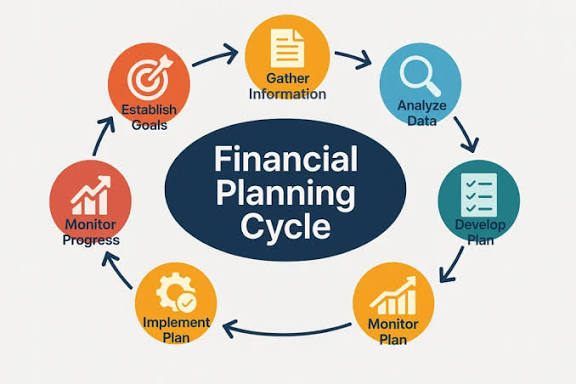
Running a business can be exciting, but managing finances often feels like a maze. Mistakes, missed deadlines, and unexpected expenses can quickly become stressful. With clear planning, businesses not only save money but also stay organized and make confident decisions. A smart approach turns uncertainty into control, reduces stress, and creates a clear path for growth and long-term success.

Why Clear Financial Planning Matters


Financial planning is the backbone of business success. When owners understand income, expenses, and upcoming obligations, they avoid costly errors. Reckenen helps businesses implement structured systems that provide clarity. Accurate planning allows leaders to spot trends, allocate resources effectively, and make informed decisions. 

Consequently, clear financial planning builds confidence and stability. Implementing proper Tax Preparation & Strategy ensures compliance, reduces risks, and maximizes financial opportunities.

1002464697
1002464697

Setting Goals for Growth


Business growth requires measurable goals. Without defined targets, finances can become reactive rather than strategic. Owners should prioritize revenue goals, expense management, and cash flow forecasts. By setting clear objectives, businesses can align resources with growth plans. Moreover, consistent tracking ensures that small issues are addressed before they escalate.

Maintaining Accurate Records


Keeping precise financial records is crucial. Organized bookkeeping makes it easier to track transactions, monitor expenses, and verify income. Regular updates prevent errors and simplify reporting. Furthermore, accurate records support audits, investor communications, and tax submissions. When records are reliable, business owners can make confident, data-driven decisions.

Understanding Tax Requirements


Taxes are often a source of stress for business owners. Understanding obligations, deadlines, and potential deductions is critical. Proper Tax Preparation & Strategy helps businesses minimize liabilities and avoid penalties. By staying informed about regulations, owners can focus on growth instead of last-minute compliance. Additionally, proactive tax planning uncovers opportunities to save money legally and efficiently.

The Role of Advisory Support

 Expert guidance transforms financial data into actionable decisions. Advisors help owners determine when to invest, cut costs, or adjust strategy. Because guidance is proactive, problems are often addressed before they grow. For instance, strategic advice can prevent late filings or cash flow shortages. This approach ensures that businesses not only comply with regulations but also maximize opportunities.

Leveraging Technology for Efficiency

 Modern financial tools simplify planning and reporting. Accounting software can track transactions automatically, generate reports, and flag potential errors. In addition, technology helps monitor tax obligations and provides reminders for deadlines. When combined with advisory support from Reckenen, these tools save time, reduce mistakes, and strengthen confidence in financial decisions.

Regular Reviews for Continuous Improvement

 Consistent financial reviews are essential for smooth operations. Monthly or quarterly check-ins highlight trends, monitor progress, and detect inconsistencies. Furthermore, reviewing finances regularly allows owners to adjust budgets, investments, and strategies. Over time, this habit builds confidence and ensures that growth plans remain realistic and achievable.

Aligning Financial Decisions with Business Goals

 Every financial decision should support long-term business objectives. Whether the aim is expansion, stability, or profitability, the strategy must align with goals. Proactive planning ensures resources are allocated efficiently and priorities are met. As a result, businesses can achieve objectives faster and with less stress, creating a stronger foundation for future success.

Training Your Team for Consistency

 Smooth financial operations rely on a knowledgeable team. Staff should understand how to record transactions, manage budgets, and follow standard procedures. Training ensures consistency, reduces errors, and supports compliance. Over time, a well-informed team allows owners to focus on growth rather than correcting mistakes.

How Reckenen Simplifies Tax Strategy

Expert advisors provide guidance to help businesses stay compliant and organized. They offer clear instructions on reporting, deductions, and filing processes. With this support, owners spend less time worrying about errors and more time focusing on growth. Additionally, an advisory-first approach ensures compliance without stress, turning complex financial requirements into manageable steps.

Take Control of Your Finances


Proactive financial planning transforms business operations. With accurate records, clear goals, and expert guidance, owners reduce risk and make smarter decisions. Businesses can simplify Tax Preparation & Strategy, organize finances, and gain clarity in every transaction. By staying proactive, companies secure long-term growth and operational confidence.

Take control of your finances today with Reckenen and secure your business’s success

Continue Reading
Click to comment

Leave a Reply

Your email address will not be published. Required fields are marked *

Business

none company objectives 2025: A Blueprint for Future Growth

Published

on

none company objectives 2025

In the rapidly evolving corporate landscape of 2026, looking back at the none company objectives 2025 provides a vital lesson in strategic planning. As businesses navigate the complexities of a post-digital transformation era, the goals set by forward-thinking organizations serve as a compass for long-term success. Therefore, understanding these objectives is not just about looking at a single company; it is about analyzing the trends that are currently shaping the global economy.

The core mission of these objectives was to harmonize technological advancement with human-centric values. Consequently, the year 2025 became a turning point where “efficiency” was redefined to include sustainability and emotional intelligence. Whether an organization is a tech giant or a boutique startup, the influence of these 2025 benchmarks is still being felt across all industrial sectors today.

Furthermore, compared to previous fiscal years, the 2025 roadmap emphasized resilience over mere expansion. By leveraging a modern interface between AI and human creativity, none company objectives 2025 ensured that the digital audience remained engaged and loyal during a time of significant market volatility.

Key Pillars of none company objectives 2025

Sustainable Innovation and ESG

The hallmark of the 2025 strategy was an uncompromising commitment to Environmental, Social, and Governance (ESG) standards. In the past, companies often viewed sustainability as a secondary concern. However, the 2025 objectives placed carbon neutrality at the very center of the business model. Consequently, while competitors struggled with new regulations, those who followed these objectives flourished by integrating renewable energy into their supply chains.

Digital Ecosystem Integration

Complexity is often the enemy of corporate efficiency. To combat this, the platform for 2025 focused on a clean, minimalist digital architecture. In addition, categories were logically defined within internal systems, allowing employees to find specific data points without the frustration of cluttered legacy software. Moreover, this integration allowed for a smoother flow of information between departments, reducing the “silo effect” that often plagues large corporations.

H3: The “Mobile-First” Workforce

Recognizing that a significant portion of the workforce in 2026 operates remotely, the none company objectives 2025 were fully optimized for a portable professional environment. Additionally, these goals featured the implementation of rapid-response communication tools that perform flawlessly on both high-end smartphones and tablets. As a result, this “mobile-first” philosophy ensured that teams could stay updated and productive regardless of their physical location.

How these Objectives Operate in 2026

Seamless Transition Protocols

Moving from planning to execution should be frictionless. For instance, many organizations now engage with their goals through real-time tracking dashboards. In an effort to remain transparent to stakeholders, the platform allows for immediate performance reviews without the need for complicated, manual reporting processes. Subsequently, this transparency has built a new level of trust between leadership and employees.

Advanced AI-Driven Analytics

Behind the scenes, the execution of none company objectives 2025 utilized the most sophisticated technology available:

  1. AI-Based Predictive Modeling: Algorithms scout thousands of market data points to identify emerging trends before they become mainstream.
  2. Automated Quality Control: Systems remove redundant or low-quality processes to protect the brand from operational “noise.”
  3. Fast Implementation Pipeline: A streamlined workflow that moves a project from “concept” to “market-ready” in record time.

Strategic Benefits of a “None-to-One” Objective

The primary reason businesses have migrated toward this specific style of objective-setting is the sheer clarity it offers. By providing instant updates and simple navigation through complex corporate goals, it saves the leadership team from “information overload.” As a result, it serves as a time-saving tool that organizes the chaos of the global market into a coherent, daily action plan.

Accessibility for Every Stakeholder

Furthermore, the 2025 framework was designed with inclusivity in mind. From entry-level interns to C-suite executives, no specialized technical knowledge was required to understand the core mission. This accessibility makes it a staple for modern corporate culture, ensuring that everyone is moving in the same direction.

none company objectives 2025 vs. Traditional Corporate Goals

In 2026, the gap between traditional management styles and modern, integrated objectives has widened significantly. However, this comparison highlights why modern leaders are shifting their loyalty toward more agile frameworks.

Featurenone company objectives 2025Traditional Goals
AgilityUltra-Fast / Real-timeModerate / Delayed
SustainabilityCore ComponentOptional / Secondary
TransparencyHigh (Open Dashboard)Low / Internal Only
UpdatesConstant (24/7)Periodic / Annual

Reliability, Trust, and Corporate Integrity

In an age where corporate transparency is scrutinized more than ever, maintaining trust is the most valuable currency. Therefore, organizations following the none company objectives 2025 uphold their credibility by adhering to a strict verification protocol for all environmental and social claims. Every success story is cross-referenced with third-party audits before being shared with the public.

On the other hand, this framework avoids sensationalized “marketing-speak,” focusing instead on objective, data-driven results. By prioritizing “Integrity” and “Action” above all else, the framework ensures that the business ecosystem remains healthy and profitable. Nevertheless, as a best practice for 2026, stakeholders are always encouraged to look at the broader context of global market shifts.

The Future of Corporate Strategic Planning

As we look toward the late 2020s, the world of strategic planning is not standing still. Instead, several major innovations are currently being tested, designed to make objective tracking even more immersive:

  • Hyper-Personalized Career Paths: Using machine learning to align company goals with individual employee passions.
  • Holographic Boardrooms: For immersive, hands-free collaboration across different continents.
  • Real-Time Carbon Tracking: Every decision made is immediately calculated for its environmental impact.

Tips for Implementing none company objectives 2025 Effectively

To get the most out of this strategic framework, we recommend following these simple habits:

  1. Define Your North Star: First, keep your most important objective pinned at the top of every meeting agenda.
  2. Analyze Weekly Trends: Second, get a quick snapshot of your progress versus the market every Friday.
  3. Encourage Bottom-Up Feedback: Third, allow every team member to contribute to the objective-setting process.
  4. Stay Flexible: Finally, understand that the best objectives are those that can adapt to unforeseen global changes.

Final Thoughts on none company objectives 2025

The way we define our goals defines our future. In the current digital landscape, the none company objectives 2025 stand out as a fast, reliable, and exceptionally user-friendly resource for business growth. It is the perfect bridge between the rapid pace of modern technology and the human need for purposeful, meaningful work.

In conclusion, whether you are tracking the latest tech advancements or monitoring economic shifts, this framework provides the clarity and speed you need. Its commitment to integrity and technological innovation ensures it will remain a cornerstone of the professional world for years to come. Ultimately, experience the future of corporate strategy today and never miss a beat in the fast-paced world we live in.

Frequently Asked Questions (FAQ) About None Company Objectives 2025

What are None Company objectives 2025?

They are the strategic goals and planned milestones the company aims to achieve in 2025.

Why are objectives important for a

company in 2025?

Objectives guide business growth, measure progress, and align teams toward common goals.

How does None Company plan to achieve its 2025 objectives?

Through strategic planning, KPI tracking, resource allocation, and performance monitoring.

Can objectives change during the year?

Yes, objectives may be adjusted based on market trends, performance, or unexpected challenges.

How do employees contribute to the company objectives 2025?

Employees execute tasks aligned with goals, track performance, and provide feedback to meet targets.

Are these objectives measurable?

Yes, each objective includes measurable KPIs to track success and progress throughout 2025.

Continue Reading

Business

Master Business Vertical Classification Categories & Dominate Your Market”

Published

on

business vertical classification categories strategy

In the modern economic landscape, the “one-size-fits-all” approach to commerce is rapidly becoming obsolete. As markets become increasingly saturated, the most successful companies are those that stop trying to be everything to everyone and instead focus on becoming the ultimate solution for a specific group. This brings us to the core of industrial organization: understanding business vertical classification categories and how they dictate a company’s growth trajectory.

Whether you are a startup founder looking for a niche or an established enterprise seeking to diversify, the way you classify your market determines your product development, your marketing language, and your long-term scalability. A “vertical” market is not just a segment; it is a specialized ecosystem with its own set of rules, pain points, and terminology.

Vertical vs. Horizontal: Setting the Stage

Before diving into the specific groups, we must distinguish between vertical and horizontal markets. A horizontal market provides goods or services that meet the needs of a wide range of buyers across different sectors. For example, a company selling office chairs or basic accounting software operates horizontally.

In contrast, a company focusing on business vertical classification categories creates products designed for a specific industry. If that same accounting software company created a version specifically for the unique tax codes and inventory needs of independent retail pharmacies, they have shifted into a vertical strategy. They are no longer competing with every accounting tool on the planet; they are competing to be the best tool for pharmacists.

The Primary Categories of Business Verticals

Classifying business verticals helps investors and operators understand the “addressable market.” While there are hundreds of sub-niches, most fall into several primary buckets.

1. The Healthcare Vertical

This is perhaps one of the most complex and lucrative categories. It involves everything from medical device manufacturing and pharmaceutical research to hospital management software (SaaS). Companies in this vertical must navigate heavy government regulation, such as HIPAA in the United States, which creates a high barrier to entry but also a very loyal customer base.

2. The Financial Services (FinTech) Vertical

This category includes banking, insurance, and investment management. A business operating here focuses on security, data integrity, and real-time processing. When we look at business vertical classification categories, FinTech is unique because its “product” is often digital and highly sensitive to interest rate fluctuations and global economic policy.

3. The Manufacturing and Industrial Vertical

This vertical focuses on the production of physical goods. It includes automotive, aerospace, and heavy machinery. Innovation in this space currently revolves around “Industry 4.0,” which integrates IoT (Internet of Things) and automation into the assembly line.

4. The Retail and E-commerce Vertical

While “retail” sounds broad, a vertical approach here might focus specifically on luxury fashion, grocery logistics, or dropshipping automation. The focus in this category is always on the “customer journey” and supply chain efficiency.

Why Verticalization is the Future of SaaS

Software as a Service (SaaS) has seen a massive shift toward “Vertical SaaS.” In the past, companies like Salesforce (a horizontal CRM) dominated the market. Today, we see a rise in companies that provide a CRM specifically for construction firms or a CRM specifically for non-profit organizations.

By narrowing the scope of business vertical classification categories, a software company can include “out-of-the-box” features that a horizontal competitor would consider too niche. For a construction firm, this might include blueprint storage and weather-tracking integrations—features a standard office-based CRM would never build.

The Benefits of Niche Classification

Why should a business limit its potential customer base by choosing a specific vertical? The paradox of business is that narrowing your focus often leads to faster growth.

  • Higher Conversion Rates: When your marketing speaks the specific “language” of an industry, customers feel understood. You aren’t just a vendor; you are an industry expert.
  • Reduced Competition: It is much easier to be the #1 software for “organic vineyard owners” than it is to be the #1 software for “all farmers.”
  • Lower Customer Acquisition Cost (CAC): You can target your advertising much more precisely. Instead of broad Google ads, you can advertise in industry-specific journals or at niche trade shows.
  • Premium Pricing: Because you provide a specialized solution that solves unique problems, you can often charge more than a generic horizontal provider.

Challenges of Operating in a Specific Vertical

While the rewards are high, there are risks associated with a narrow business vertical classification categories focus.

  • Market Caps: There are only so many specialized hospitals or boutique law firms in the world. Once you reach a certain level of penetration, your growth may plateau unless you expand into adjacent verticals.
  • Industry Volatility: If your entire business serves the oil and gas industry and oil prices crash, your revenue will likely follow suit. Horizontal businesses are more “recession-proof” because they aren’t tied to the fate of a single sector.
  • Specific Expertise Required: You cannot “fake it” in a vertical market. You need employees who actually understand the nuances of that industry, or your customers will quickly spot the lack of depth in your product.

How to Choose Your Vertical

If you are currently evaluating which business vertical classification categories to target, consider the “Three-Pillar Test”:

  1. Profitability: Does this industry have the budget to pay for your solution? High-margin industries like Finance and Tech are usually better targets than low-margin sectors like non-profits or small-scale agriculture.
  2. Pain Points: Are there “unsolved” problems in this industry that horizontal tools ignore? If the current solutions are “clunky” workarounds, that is your opportunity.
  3. Passion/Expertise: Do you have internal knowledge of this sector? Having a founder or lead consultant who worked in the field for ten years is a massive competitive advantage.

The Integration of AI in Vertical Markets

In 2026, Artificial Intelligence has become the primary differentiator within business vertical classification categories. General AI (like basic chatbots) is everywhere, but “Vertical AI”—models trained specifically on legal documents, medical records, or architectural blueprints—is where the real value lies.

A legal vertical AI doesn’t just “write text”; it understands the specific formatting of a court filing and the nuances of case law. This deep integration makes the tool indispensable to the professional, further locking them into that specific vertical’s ecosystem.

Conclusion

Understanding the various business vertical classification categories is the first step toward building a sustainable, defensible business. By moving away from the “mass market” and toward specialized value, companies can build deeper relationships with their clients and insulate themselves from broader market competition.

The journey from a horizontal “generalist” to a vertical “specialist” requires courage and a deep commitment to industry-specific research. However, for those who master their niche, the rewards include higher margins, loyal customers, and the status of an industry authority. As you plan your next business move, ask yourself: are you trying to speak to the whole world, or are you ready to become the voice of your specific vertical?

Continue Reading

Business

What Is a Vertical Market: Examples, Benefits & Business Strategy

Published

on

vertical market vs horizontal market comparison diagram

Introduction

In today’s business world, companies no longer try to serve everyone. Instead, they focus on vertical markets—specific industries where they can provide specialized solutions. Understanding vertical markets helps businesses create better products, improve marketing strategies, and build stronger customer relationships.

A vertical market is a group of businesses and customers operating within a specific industry. Companies that serve these markets develop products or services designed to meet the unique needs of that industry. Because of this specialization, they gain deep expertise and offer higher value than general solutions.

According to Investopedia⁠�, a vertical market is defined as a market in which vendors offer goods and services tailored to a particular industry or group of customers.

Vertical Market Definition

Simply put, a vertical market focuses on a single industry or niche. Unlike horizontal markets that serve many industries, vertical markets specialize in solving the problems of a specific sector.

For example, software built exclusively for hospitals is a healthcare vertical market solution. It includes features like patient records management, hospital billing, and appointment scheduling, which would not be useful for other industries.

Specialization allows companies to become experts in their field, delivering more effective solutions and creating higher customer loyalty.

As highlighted by Harvard Business School⁠�, specialization in vertical markets is often a key factor for long-term business success.

Examples of Vertical Markets

Vertical markets exist in almost every part of the global economy. Here are some major examples:

Healthcare

Hospitals, clinics, pharmaceutical companies, and medical device manufacturers operate in this vertical. Specialized software for hospitals, electronic medical records, and diagnostic tools are typical products.

Financial Services

Banks, insurance companies, and investment firms are part of the financial services vertical. Specialized fintech software, payment systems, and financial analytics tools cater specifically to this sector.

Real Estate

The real estate vertical includes developers, brokers, and property managers. Tools for property management, tenant tracking, and real estate analytics serve this market.

Education

Education technology companies create digital learning platforms, student management systems, and online teaching tools, specifically for schools, universities, and training centers.

Manufacturing

Manufacturing companies produce physical goods like cars, electronics, and textiles. Vendors supplying raw materials, industrial machinery, or specialized software are part of this vertical.

Other emerging verticals include HealthTech, EdTech, and FinTech, which are hybrid markets combining technology with traditional industries. According to Forbes⁠�, focusing on niche verticals can accelerate growth and reduce competition for startups.

Vertical Market vs Horizontal Market

FeatureVertical MarketHorizontal Market
FocusOne specific industryMultiple industries
Product TypeSpecialized/CustomizedGeneral/Standardized
AudienceNarrow and targetedBroad and diverse
ExpertiseDeep industry-specific knowledgeGeneral business knowledge
ExamplePOS system for fine-diningMicrosoft Word / Excel

Example: Accounting software for restaurants is vertical, whereas general accounting software used by all businesses is horizontal.

Specializing in a vertical allows businesses to focus on one audience, develop deeper expertise, and compete more effectively.

Benefits of Vertical Markets

Focusing on a vertical market offers several advantages:

Better Customer Understanding

Companies develop deep insights into industry-specific problems.


Reduced Competition

Niche markets often have fewer competitors, making it easier to build authority.


Higher Expertise

Specialization creates unique knowledge that general providers lack.


Stronger Customer Relationships

Customers trust vendors who understand their industry well.


More Effective Marketing

Businesses can target campaigns directly to the industry’s needs and language.

Vertical Market Strategy

Many successful companies focus their entire strategy on a vertical market. Examples include:

Software companies building management tools exclusively for hotels, including booking systems, room management, and analytics.

Marketing agencies that specialize in healthcare, understanding the unique regulations and communication styles of the industry.

By focusing on a single vertical, businesses can dominate a niche, improve product quality, and develop long-term brand authority.

Technology and Vertical Markets

Technology is reshaping vertical markets:

Vertical SaaS (Software as a Service):

Industry-specific software for real estate, healthcare, or law.

Data Analytics:

Predicting trends and customer behavior within the vertical

Automation & AI:

Improving efficiency in manufacturing, logistics, and services

IoT (Internet of Things):

Connecting devices for better monitoring in industries like healthcare and logistics.

Future of Vertical Markets

Vertical markets will continue to specialize and hybridize:

HealthTech: Combines healthcare with advanced technology.

EdTech: Education platforms integrated with digital technology.

FinTech: Financial services with AI and mobile technologies.

Conclusion

A vertical market focuses on a specific industry or niche, offering specialized products or services. Companies that serve vertical markets gain expertise, build better customer relationships, and face less competition.

In 2026, understanding vertical markets is essential for entrepreneurs and businesses aiming for long-term growth. Choosing the right vertical market can help companies dominate their niche and expand strategically.

FAQ (SEO Optimized)

What is a vertical market example?

A healthcare software company that creates tools exclusively for hospitals is a vertical market example.

What is the difference between vertical and horizontal markets?

Vertical markets focus on one industry, while horizontal markets serve multiple industries.

Why do companies focus on vertical markets?

Companies focus on vertical markets to specialize in one industry, reduce competition, provide targeted solutions, and build authority in a specific sector

Continue Reading

Trending